We <3 recycling: staying in ARPG and poking around inside it
A few recent conversations with people across the industry have circled back to the same observation: our approach, sticking to a genre while poking around within it, seems to excite people, and it's paying off. It's worth unpacking why.
Reuse compounds
When we stay close to one genre instead of jumping to a new one every project, we get to reuse and repurpose structures, code, assets, design elements, and decisions we've already made and tested. That reuse doesn't just save time once. It compounds. Each project inherits a little more of a working foundation than the last, and development keeps getting faster.
Old data is a gift
As an analyst, having a back catalog to draw on is enormously useful. It tells what worked, what could have worked better, and just as importantly what not to touch.
Of course, over time player expectations shift, the market moves, and regulations change. Those are real evolutionary pressures, that needs to be considered, too.
From incremental to radical
Here's the part that surprised even us a little: this habit of recycling elements hasn't just made iteration faster, it's made bigger swings possible. We're not just talking about small tweaks to mechanics, visuals, or structure anymore. We're releasing genuinely different games every other month, each one borrowing gameplay or visuals from what came before while experimenting freely elsewhere.
You could call that iteration too, and in a sense it is. But looking at the actual games side by side, they're different experiences with different gameplay, goals and mechanics. I’d claim that it would have been much harder to pull off novelty without different variants to borrow from and build on.
The Midcore Moment
Lately, I’ve been spending time with some fab people at Nordic Game, TimeOut, Games First, and Way Forward Forum. So much energy, parties & fun and so many genuinely inspiring conversations!
Those discussions sharpened my views on the future of the midcore gaming market. The landscape of 2025 looks nothing like the one that peaked around 2018, and the next three years are reshaping it even further. Here's my take on where the midcore market is heading.
Audience: The 10-year-olds of 2010 are adults today. As a result, our audience now comes with vastly different gaming backgrounds and expectations. We need to serve players whether they grew up with Roblox, Clash of Clans, Diablo or Ultima Online. For a mobile game to reach a sufficiently broad audience, it needs to resonate broadly, both amongst 18, 23, and 44 years olds. Also, maximizing gender diversity should still be an important objective, even if it is a hard task in midcore.
Product: We have to be either on the casual (AFK Journey) end of the spectrum or on the AAA (Genshin Impact) end. Over the past decade, the middle ground has been captured by Clash of Clans, RAID: Shadow Legends, Rise of Kingdoms, and Last War. It is about competing against massive live-service platforms generating hundreds of millions in annual revenue.
That’s why, the middle ground is increasingly a no-go zone. Going forward, and to survive, we have to solve a specific problem better than anyone else: retention mechanics, community structures, proprietary IP with genuine audience attachment, a clever genre position or something like that. And avoid the mid of midcore.
UA: The studios winning today have stopped treating UA as the primary growth lever or trying to get lucky on Tiktok. Instead, they focus on product quality and retention as the real moat. Going forward, D7 is the most important Dx for us for measuring early stickiness, while also minimizing churn between D30 and D60 to drive growth.
AI: Looking at it now, the first wave of AI hype in gaming was mostly noise: procedural dungeon generation, NPC dialogue trees, and such. The current wave of workflows and pipelines is much more interesting. Like many studios, we now routinely use generative AI to accelerate concept art iteration, support agentic coding, eliminate localization bottlenecks, and build dynamic design solutions that would have required significantly larger teams just a few years ago.
In a nutshell, we keep experimenting and advancing on multiple fronts at the same time to succeed and grow. The real payoff is faster product development, more experimentation, and a greater ability to find and explore new niches.
What an Amazing Time to Be a Game Developer
At Phantom Gamelabs, we started about 4 years ago with a simple idea: pour all our knowhow into social ARPGs. Build on experience, best practices, and a product-first mindset. And we did that. But while we were building, the world moved on.
AI agents, AI-assisted coding, and automation are shifting how games are made & marketed. It raises uncomfortable but necessary question: Are we too late? It also underlines a broader shift in our thinking from AI to how we design and build experiences.
Instead of long product cycles built on gameplay iterations, it increasingly makes sense to experiment with small bits first and fast. Prototyping multiple directions, like gameplay, visuals, tone or creatives. Btw. there is a great discussion on this topic by NY Times & Gameanalytics, take a listen. It’s about adapting, testing, and staying aligned with a clear north star metric.
At Phantom, we put the game to the store asap and let the market signal what resonates. And pivot early if needed, double down on what works.
We understood that we don’t need to go fully AI-native to benefit. AI-assisted ideation, development, and marketing already give our team real leverage, especially in a crowded market where attracting players is hard.
At the same time, it is good to remind us all, the core hasn’t changed. When we think about ARPGs, we don’t just think about character progression and loot tables. We think about shared experiences, ways of playing together, showing progression, creating moments worth talking about.
We can see the change in players, too. New generations are more used to hybrid genres, live experiences, and snack sized experiences that respect their time. A social ARPG today doesn’t need to fit into a rigid box. That’s what makes this moment so interesting.
In early 2026, we started exploring a wide range of directions within ARPG: different visual styles, gameplay approaches, and drawing inspiration from emerging market trends. We are on the path of finding fun.
Look on AI in game dev -- slightly outside the day-2-day
With all the talk around AI, why not join the fun? As a CEO, I’m a bit removed from the day-to-day hands-on work, still I’ve been doing my share and thinking about the near future Must-Win-Battles with AI.
On the engineering side, the impact is already very real. Agentic AI is making programmers more efficient, automating parts of the work and gradually changing how codebases are built and maintained. Since so many teams rely on external engines like Unity & Unreal, it’ll be interesting to see how those ecosystems evolve and shape new ways of working. Similar shift is happening across art, audio, and data. It’s easier than ever to sketch, plan and analyze. For example Stitch and Suno are fun and Claude generates savvy dashboard within no time (mentioning these as examples bc I’ve personally played with them).
Design is a bit different. The fun often comes from small ideas and well-crafted details. It’s those carefully designed moments, the little surprises and polished interactions, that create something memorable. Especially in mobile, where “snackable” moments matter a lot.
That said, AI can definitely help here. Even if not yet in crafting experiences in the field of design, it’s great for things like level generation, phasing of progression, playing levels, and overall figuring out rough ideas quickly. It’s also becoming powerful in marketing, generating creatives, testing variations, and optimizing campaigns. It’s not hard to imagine that soon a big part of UA will be handled end-to-end by AI. That’s great!
Competition is pushing everyone, including small studios, to move faster, automate and and produce more content, without losing their identity. And that creates a real tension: how much time do you spend building your game versus learning and building new tools? There’s no one right answer. In the near term, AI will cut time spent on asset creation, prototyping, and repetitive work. There are clear gains to be made from better tools but winning also means having the right team. If first programmers and then UA managers were the MVPs before, designers will be next. AI still can’t create what genuinely feels fun and new.
Small team - sharp focus
We’re a team of seven. At a time when large studios face layoffs and smaller teams, especially from Turkey (well done! FTW!), are finding success, it’s more important than ever to rethink how we (game studios) operate and build success.
NOTE: We’ll be discussing exactly this at the Nordic Game Conference Executive Summit: how to build the next chapter of game studios. Join us to explore why a small team isn’t a limitation but can be more of a strategy and what it really takes to get back in the game and win big. We’ll also cover other critical topics but consider this a teaser :D
A lot is happening in the market that’s shaping the next chapter and one obvious place to start is the team. Lately, we’ve seen a resurgence of success stories built on lean cores. Studios like Landfall Games are staying small on purpose, with tight-knit teams at the center and flexible networks around them whether contractors or fellow indie studios, brought in when needed. It’s a win-win: clear ownership, less overhead, and far less risk. If a project pivots (or resets entirely), you’re not dragging a massive organization with it.
That flexibility is even more powerful today. AI has become a true force multiplier. Algorithmic, rule-based systems like procedural generation still help small teams punch above their weight by building levels and content efficiently. Traditional scripted AI for bots and NPCs remains highly relevant. On top of that, newer tools go further: agents assist workflows, and GenAI speeds up tasks that once sat outside a team’s core skillset. Work that used to require hiring can now often be handled in-house.

Attendees will dive into presentations followed by intimate small-group discussions exploring critical shifts in studio operations, talent acquisition and hiring, the integration of AI, evolving business models, and more.
So how does a team of seven compete in a world of massive studios whether it’s huge productions from China or marketing-driven hits from Turkey? We don’t. Not on their terms. We’ll win by building our own battles.
That means leaning into originality, tight execution, and ideas that don’t require massive teams or UA-machines to shine. It’s about designing games that thrive because of focus, while adding a dash of innovation, streamlining production, and doubling down on what matters most: gameplay and mechanics.
What does this mean in practice? Let’s continue the discussion. I hope to see you at the Nordic Game Conference this May in Malmö!
Which metrics really matter?
I’ve had several conversations recently with new studios asking for concrete examples on how to read the numbers and know if they’re heading in the right direction. Here are a few practical thoughts.
Before we go further, two disclaimers: 1) Different metrics matter at different stages. Early in development, you need a laser-sharp focus on a very different set of indicators than you do when entering soft launch. And 2) there is no universal truth, only priorities and execution. Test different approaches and refine what works best for your specific product.
Here are a few practical thought that work for us.
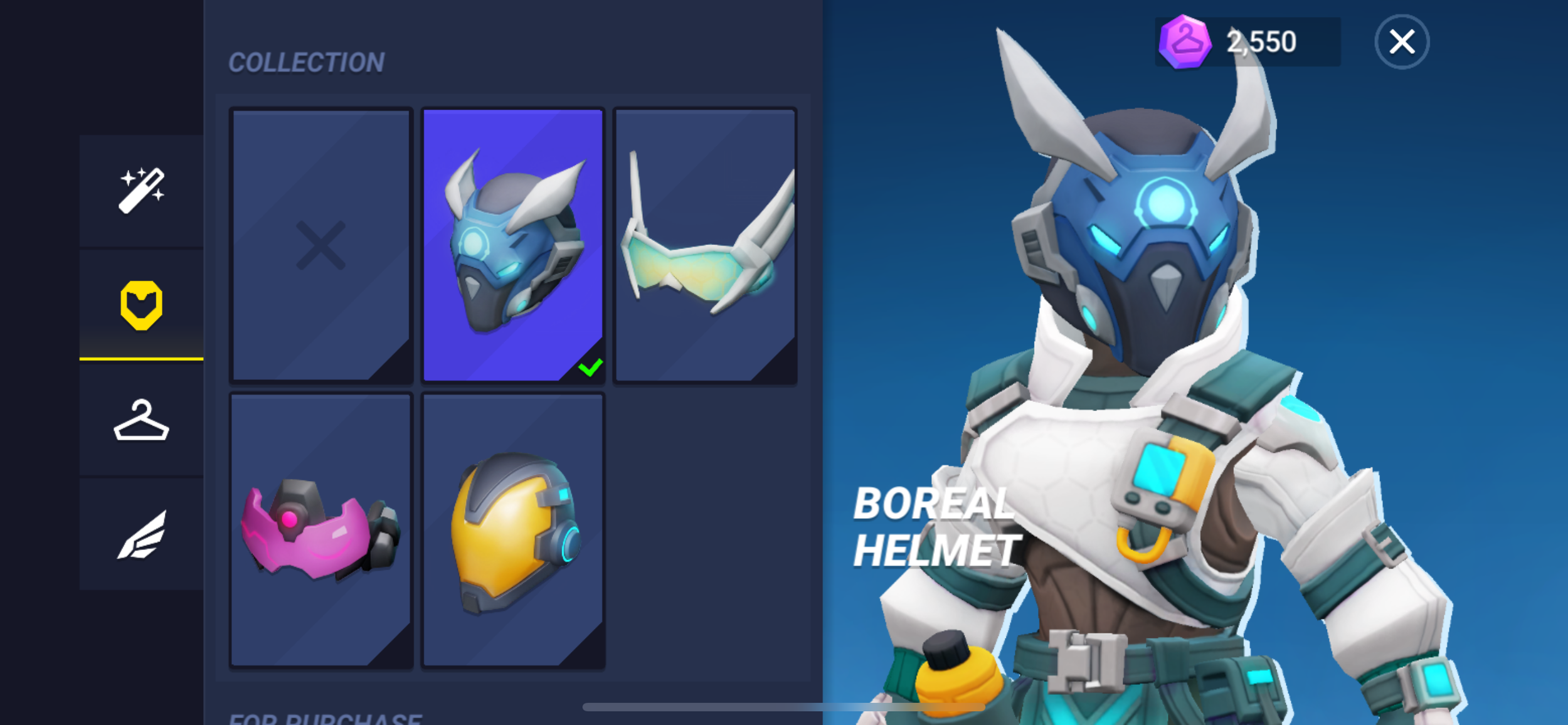
Riftbusters cosmetics
Is the game appealing and clear?
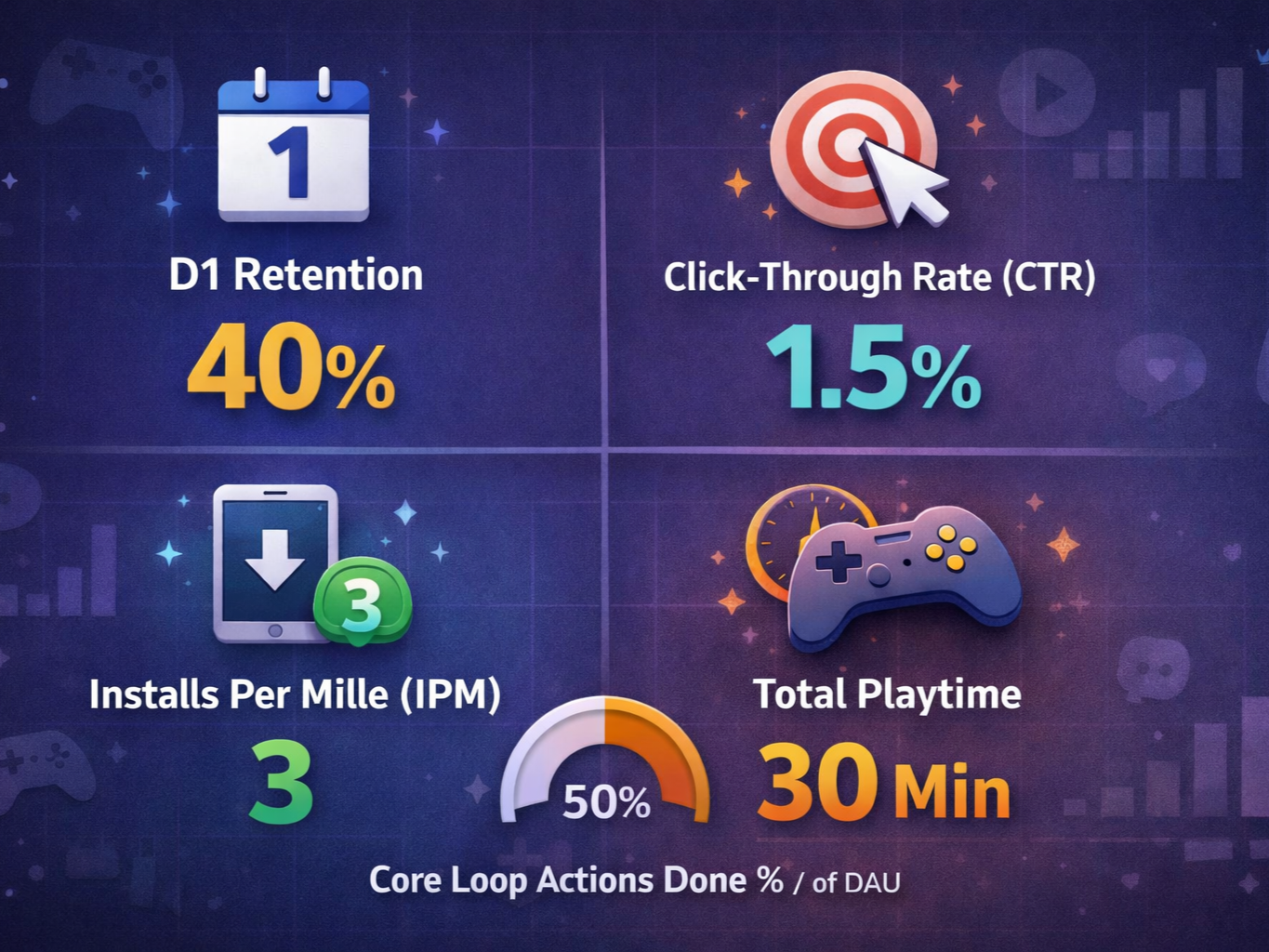
Focus on Day 0 (D0) time spent and engagement. Track your core loop actions and their repetition rates over time. When the starting point is 100%, what % of DAU are expected to repeat it on 2nd, 3rd… time or session. If a core loop action is expected to always be repeated 100%, funnels, D0 session metrics, and time spent are other strong indicators of whether players understand what to do and enjoy doing it repeatedly.
Do players have enough to do and enough to come back for?
This primarily reflects your retention stack. If only a third of players return on D1, something might be missing - ofc depending on the game you are building. Retention is a combination of relevant tasks + appealing rewards + clear guidance. Dx metrics alone don’t tell the full story. That’s why it’s critical to look at the stacks. What % of players return on Days 2, 3, and 4, and at which point does the majority churn? For example, if D0 looks healthy and churn is highest between D1 and D2, the gameplay is clear alright but isn’t offering enough to do. If only 50% of D1 returners come back on D3, either the core loop isn’t fun enough over longer period of time or something else is lacking. Modern audiences also expect short reward cycles; if players don’t feel they’re getting enough value for their time, engagement will drop.
Is there clear spending potential?
Focus on cumulative ARPU to drive early (read: D0) conversion. Across genres, first purchases almost always happen on install day or D1. If players don’t convert early, the likelihood of later conversion drops sharply. Also, consider whether you’re effectively serving both your core and secondary audiences. Different player motivations require different monetization levers, so tailoring your approach is key to driving early spend.
Do you meet expectations and exceed them?
Make sure to crystallize what your table stakes are versus your differentiators and spoilers. Are you offering enough value for players to form a new habit? Table stakes make your game competitive. Differentiators make it memorable. Innovation for sure is valuable, but avoid creating too steep a learning curve. A balanced approach, combining something familiar, something new, and something borrowed, often makes for a compelling and accessible game experience.
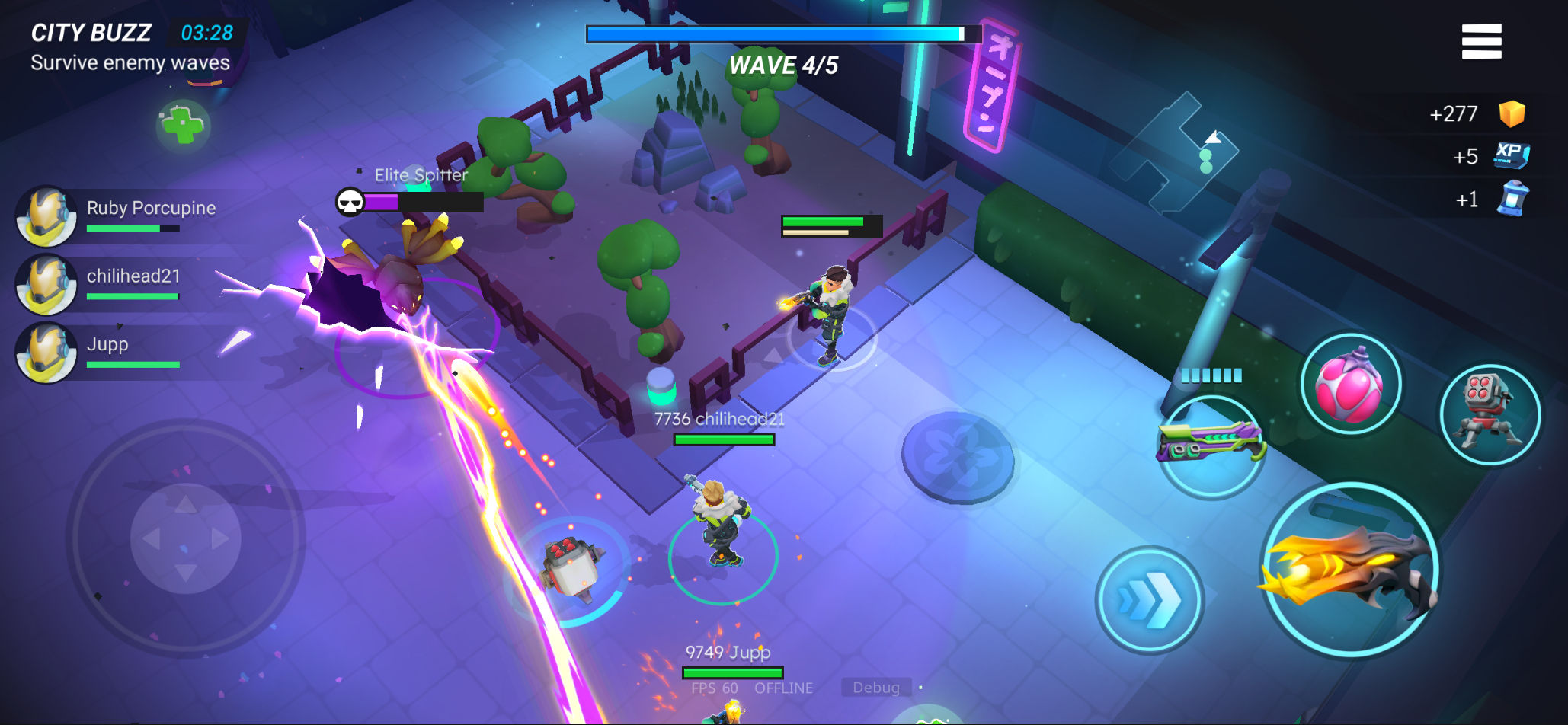
Riftbusters gameplay
Can marketing actually scale this?
You can’t ignore UA math. If your funnel underperforms or CPI is too high, even strong product metrics won’t save you. We’ve recently tested both AI- and human-generated UA creatives. While not a scientific conclusion, the main challenge isn’t creating ads that drive installs, the challenge is reaching a broader audience and sustaining high IPM. The usual suspects, IPM, CVR, and CTR help to ensure your ads are engaging, effective, and capable of scaling installs efficiently.
Lukewarm Results: Why “Almost Good Enough” Is a Dangerous Place to Be
Pocket Gamer Connects London 2026 was a great reminder of how differently game developers define when a project is “ready” to scale or even ready to test.
I had several conversations about how much content a game needs before teams feel confident enough to move forward. What struck me most was how widely those confidence thresholds vary, and how often that confidence only arrives very late in the process.
In my view, many teams wait too long and try to do too much at once: too many UA channels, too many or D30+ metrics, and too many experiments running in parallel.
When I asked what metric really mattered, I was surprised by how many people said they weren’t confident until they could measure longer-tail Dx ROAS. In practice, that means months of development before you can even answer a very basic question: should this game exist at all? Months time spent before you can tell whether the core is fun.
Personally, I’m far more opinionated about early engagement. What happens on Day 0 tells you far more about a game’s potential than any long-tail metric ever will. To me, building monetisation structures or polishing deeper UX is relatively easy compared to finding fun. Fun is the hard part.
The danger is that once you finally get to testing, especially after months and months of development, you want the results to be positive. And numbers can be deceptively comforting.
175 Day 1 retained players out of 500 installs sounds quite good, but it isn’t. It should be treated as a warning sign. It’s not disastrous, and it may feel close enough to targets, but it’s still not good enough.

In today’s market, adding features or polishing UX will not fix weak early engagement when the core fun isn’t there.
We like to think, “surely we have the skills to turn good into great.” But this isn’t about execution skill or knowledge. It’s about whether you’ve found something that creates a real emotional response.
Lukewarm experiences are easy to make. Strong emotions, whether excitement, tension, joy, or obsession, are harder. If a game isn’t original enough or fun enough to provoke those emotions, players won’t bother, no matter how clean, clear, or beautiful it is. At that point, it’s not a content or polish problem but a mediocrity problem. And many of us know how brutally hard it is to push a mediocre title uphill.
So should teams get to results early and pivot immediately when results are lukewarm? In 2026, I’d say yes. Definitely.
How To Softlaunch A Game In 2026
At Phantom Gamelabs, we’ve been obsessed with the “art of start” and figuring out how to get to fun as fast as possible when the game is barely more than a structure. It’s about learning how to meet changing player needs early.

I’ll be chatting about this on this Tuesday at PGC London 2026.
Phantom Gamelabs builds co-op ARPGs on mobile, and that’s the lens I bring to this discussion. I come from a PM and analytics background, so I’m naturally very KPI-driven when it comes to validation. But early on, KPIs alone are often the wrong answer. So what is the right approach? After discussing this with many teams and at multiple events, here’s how I see the “art of start.”
Context first
When planning the alpha stages within soft launch, platform matters. Genre matters. Team size matters and so does your validation preferences. That’s the context. If your team is design-led and intuition-driven, don’t force heavy metrics or PTC type of tools into the mix. If your team is tiny, scale (down) the scope to match. Validation should fit the team, not fight it. It’s a phased process: first you validate engagement, and once that looks right, you move into next phases of the soft launch process to get a full read on both engagement and monetization.Speed is king-er than ever
Whatever your validation method, you need to learn fast whether the core idea and setup work. For a team of seven, that usually translates to a few months of work. The longer you wait, the harder it becomes to understand what’s actually broken, as layers of features, content, polish, and detail pile on and start to blur player focus and muddy your results.In the past, developers were often limited to English-speaking geos. With AI localization, even small studios can now realistically test early on in non-English-speaking markets without heavy overhead. That’s also a way to reach results faster and on mobile, Android is the platform for that.
Volume narrows the confidence interval
Scope and confidence are key. You need enough signals to trust what you’re seeing and enough confidence to interpret it without being misled by the numbers. In qualitative studies, that means focusing on longitudinal feedback, not just one-off sessions. In quantitative analysis, it means having daily install cohorts large enough to draw real conclusions, guided first by just one or two KPIs to show the way. The key here is planning your testing rounds: moving from proving clarity and core appeal of the game to validating deeper engagement and monetization.Different Alpha stages need different KPIs
Soft launch should be thought of as a series of different alpha stages. For us, with a few days of gameplay, we can focus on early moments like how players get into the game, how long do they stay and what brings them back the same day or the next? Is there clarity and early appeal. Once that looks promising, we shift to stacks and key loops or modes before getting a read of the big picture, with monetisation. Even small studios can leverage AI-generated playables and video ads from their very first tests.Multi-method beats single-method
You can’t fully answer “is it fun?” with metrics alone and you can’t answer it with PTC alone either. That’s why we combine methods. Surveys help confirm direction and hint at the “why.” Data confirms direction too and, just as importantly, it confirms scale.In the end, it’s about building fun, and fun is a feeling. By being clear about our hypotheses and chosen methods, we get to reliable answers faster.
Friendslop and the Social Mobile Gaming Trends of 2026
Social mobile gaming in 2026 is no longer about bolting social features onto a game late in development, or adding pressure systems that only reward contribution to a common goal. It’s also not just about “friendslop” or friend-like games, titles that are fun mainly because you play them with friends, not because of deep mechanics or high production values.
How players want to play together has changed. Gameplay and mechanics still matter most, but social context now shapes how those moments are created, shared, and remembered. Games are becoming highly replayable and clippable: short, sometimes chaotic sessions that produce funny, surprising moments perfect for TikTok, and Twitch.
The Big Shift: Systems, Not Single Trends
It comes without saying that we at Phantom Gamelabs are excited about the future of social co-op gameplay. We’re not building a friendslop game, but we absolutely pay attention to what that trend reveals about player needs. We think that too many teams chase trends one by one, from AI, UGC, short-form video to playable ads and you-name-it, when the real opportunity is understanding how they connect into a single system. Don’t get me wrong. AI will transform development, live ops, and operations for sure. But outside games, we see equally strong signals: people want to leave a mark, shape their own experiences, belong to communities, and move between fast, snackable content and deeper experiences. These changes are happening at the same time and games need to respond holistically.
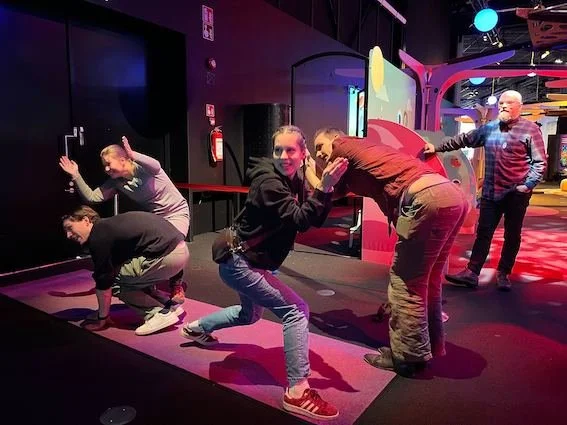
Here are a few ways this comes to life in practice.
1: Guilds are Overdue for Reinvention
Guilds haven’t meaningfully evolved in years. Yet social play remains one of the strongest long-term engagement drivers. It’s time to rethink what guilds, roles, and shared progression can look like on mobile.
2: Communities extend the experience across services
Real communities come with friction. Players misbehave, leadership matters, hierarchies form, and roles need meaning. The challenge ahead is balancing AI automation with human leadership to make social experiences deeper, safer, and more rewarding.
3: The social lobby is where the game truly begins
Variety matters more than ever thanks to the generous offering of all types of mobile games on the market. Players want multiple modes, surprises, and reasons to return. Games are moving toward living environments where something is always happening, socially and systemically.
We can’t wait to show how all this thinking comes to life in our next game.
Why We’re Building Co-op at the Core at Phantom Gamelabs
Greetings from Phantom Gamelabs!
For the past few years, we’ve been focused on one core question: what does meaningful co-op look like in modern Action RPGs? We believe it’s time to challenge the traditional ways guilds and social systems are built on mobile. Along the way, we’ve built, iterated, pivoted, and learned a great deal.
We are not the only ones evolving, the industry is changing too. The focus has shifted from cross-platform hype and genre hybrids that dominated just a few years ago to D2C stores, multi-platform distribution, AI-powered discovery, playable ads, and short-form content that increasingly feels like gameplay itself. At the same time, global dynamics have transformed the market. Chinese studios cracked international scale, Genshin Impact redefined ARPG expectations, and 4X games evolved through titles like Whiteout Survival. Habby’s repeatable playbook showed how accessibility and depth can coexist. These shifts are shaping how we build games. Mobile game developers like us must challenge old assumptions and rewrite the design docs to serve modern players.
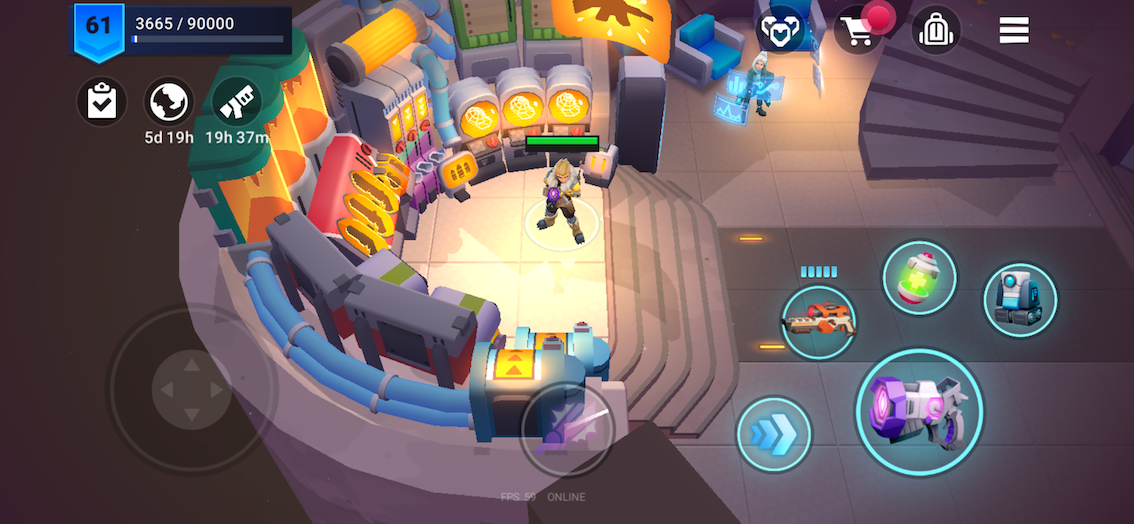
Games Are Becoming Social Spaces
We founded Phantom Gamelabs to stay fluid and experimental, shift shape like a phantom and be less factory, more lab. I’m incredibly proud of our speed, our willingness to test often, and our ability to learn continuously. AI helps us remove friction in areas like marketing, localization and QA, allowing us to focus our energy where it matters most: gameplay and player experience.
Player behavior keeps pointing in the same direction. Extraction shooters, modern 4X games, and even dueling formats are becoming increasingly social. Roblox serves as a reference point for that, not for its mechanics, but for how it turns games into places to belong, not just sessions to play.
At Phantom Gamelabs, co-op hasn’t ever a mode but the foundation. We build ARPGs with co-op at the core. Collaboration shapes the experience, progression, identity, and long-term engagement. Our first released game, Riftbusters, is paving the way both technically and creatively. With everything we’ve learned, we’re now taking the next steps: building on the tech and knowhow we have, truly co-op-first games that evolve alongside their communities.
Phantom Gamelabs Celebrates Strong Early Reception of Debut Co-Op ARPG Riftbusters
Studio highlights active player collaboration, strong ratings, and momentum toward next project.
Helsinki, Finland — Phantom Gamelabs today announced continued momentum behind its co-op action RPG Riftbusters, currently live on iOS and Android. The game has earned 4.2/5 average rating, reflecting consistently strong player engagement and positive community response.
From day one, Phantom Gamelabs has emphasized direct dialogue with players, actively gathering insights through Discord and social media channels. This approach has allowed the team to tune gameplay, prioritize features, and evolve Riftbusters in real time based on player needs.
“We want to thank our players who have been so actively giving feedback and helping us to steer the game to the best direction,” says CEO Sonja Ängeslevä.
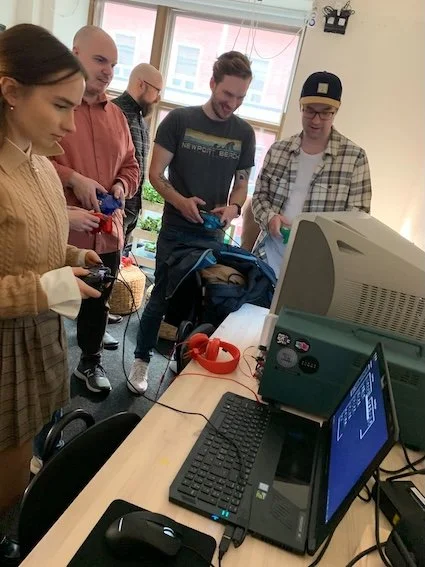
The studio’s investment in live-operation automation has played a key role in keeping Riftbusters fresh while enabling the team to shift resources toward producing its next co-op ARPG project. This technology ensures that the current game continues to operate smoothly while development on the new title accelerates.
Phantom Gamelabs reports that Riftbusters has provided a strong foundation for its upcoming ARPG, not only in technical and gameplay learnings, but also in its understanding of how to reach both core and broader audiences. These insights will directly shape the design, development, and publishing strategy of the studio’s next game.
The team is committed to maintaining its player-first development approach, continuing to work in lockstep with the community and testing ideas live with ARPG players throughout the development process.
More information about Phantom Gamelabs’ next project will be shared soon. Watch out for updates!
About Phantom Gamelabs
Phantom Gamelabs builds next-generation co-op action RPG experiences driven by community collaboration and empowered by smart automation. The studio focuses on games that evolve with their players, delivering long-term value and continuously improving gameplay.
China’s Mobile Games Market: pre-ISBN report
[Helsinki, October 3rd] –With the support of Business Finland, Finland’s official government agency for trade and investment promotion, we explored the opportunities available to foreign game studios in China before entering the ISBN process.
China is the world’s largest mobile games market, while Chinese developers are also finding strong success in Western markets.
So, how can international studios carve out a presence in China? And what practical steps can you take to start building a foothold before securing a partner and navigating the ISBN process?
👉 Read more in the China pre-ISBN report.
Disclaimer: We are a game development studio, not a research agency. The insights and data shared here are based solely on publicly available sources.
About Phantom Gamelabs
Phantom Gamelabs is a Helsinki-based studio creating midcore games for a broad audience, spanning genres from RPGs to looter shooters. Founded by veteran developers behind Farmville 3 and Nonstop Knight, the team blends deep gameplay with mass-market appeal.
Riftbusters Debuts Globally, Driving Strong Engagement Among ARPG Players
[Helsinki, September 12th] –Phantom Gamelabs proudly announces the global launch of its debut mobile title, Riftbusters, now available worldwide on Google Play and the Apple App Store.
Within its first week, Riftbusters has attracted a growing player base across multiple regions, establishing itself as a strong entry in the ARPG genre.

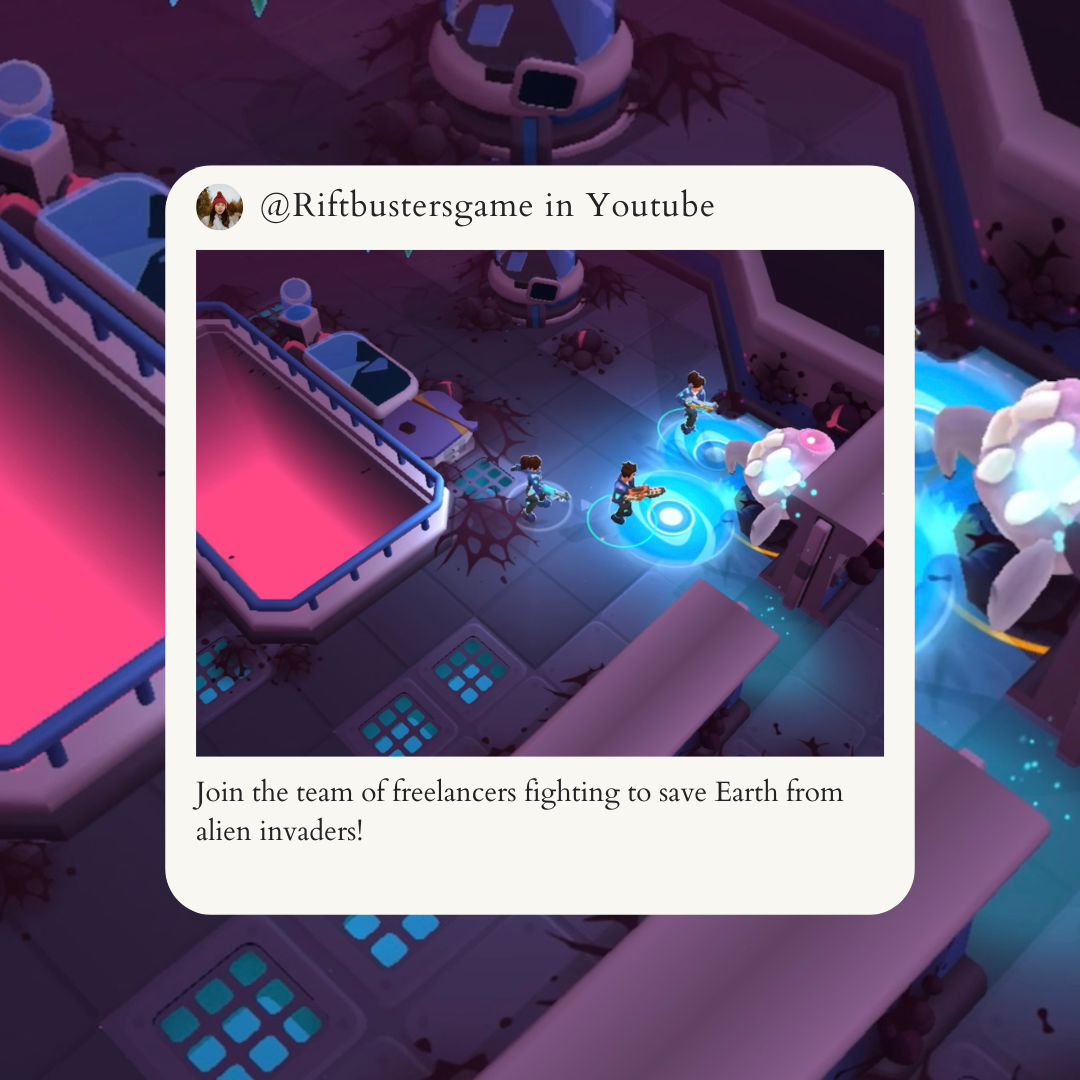
Team of three takes on alien forces in Metropolis: High Voltage
To further enhance the experience, Phantom Gamelabs will be introducing Extreme Mode and additional levels, with a variety of new cosmetic content scheduled for release in the coming months.
Built for fans of action RPGs and co-op shooters, Riftbusters offers an accessible yet deep gameplay experience, combining fast-paced action with co-operative multiplayer.
“We are thrilled with the community’s response to our global launch,” said Sonja Angesleva, CEO of Phantom Gamelabs. “Bringing Riftbusters to players worldwide and receiving such a warm reception marks an important milestone for us as a growing studio establishing our name and role in the market.”
Fans can learn more about Riftbusters at https://playriftbusters.com.
Download on Google Play: https://play.google.com/store/apps/details?id=com.phantomgamelabs.riftbusters
Download on the App Store: https://apps.apple.com/us/app/riftbusters/id6477878093
Follow us on TikTok: @Riftbusters or Youtube @PlayRiftbusters
Playriftbusters.com, Youtube: PlayRiftbusters
For press inquiries, contact:
Sonja Angesleva
CEO, Phantom Gamelabs
sonja@phantomgamelabs.com
About Phantom Gamelabs
Phantom Gamelabs is a Helsinki-based studio creating midcore games for a broad audience, spanning genres from RPGs to looter shooters. Founded by veteran developers behind Farmville 3 and Nonstop Knight, the team blends deep gameplay with mass-market appeal.
Riftbusters pre-registration now open - Launches globally on September 3rd
[Helsinki, 17 July 2025] – After a successful open beta period throughout 2024, Phantom Gamelabs is excited to announce the global launch of its highly anticipated mobile co-operative ARPG, Riftbusters, coming to Google Play and the Apple App Store on September 3rd.

Pre-register now!
Riftbusters combines fast-paced co-op combat with rich progression systems and striking visuals. Set on a modern-day Earth torn open by interdimensional rifts, players step into the role of Freelancer mercenaries, tasked with responding to alien invasions wherever and whenever they emerge.
Designed for fans of looter shooters, dungeon crawlers, and midcore RPGs, Riftbusters delivers an accessible, bite-sized experience that still rewards strategic depth, progression mastery, and social play.
"Our mission is to create unique mobile ARPGs that engage genre enthusiasts, welcomes new players, and builds a lasting community through player-driven events." said Sonja Angesleva, CEO of Phantom Gamelabs.
Game Highlights
Co-op Looter Shooter ARPG crafted for mobile
Built for midcore & ARPG fans seeking tactical depth and replayability
Stunning visuals and polished gameplay
Community-driven live events and evolving game world
Riftbusters is now available for pre-registration and will become available globally on Google Play and the App Store on September 3, 2025. Players around the world are invited to gear up and join the fight in this next-generation mobile co-op ARPG!
Follow us on TikTok: @Riftbusters and Youtube @PlayRiftbusters
For press inquiries, contact:
Sonja Angesleva
CEO, Phantom Gamelabs
sonja@phantomgamelabs.com

Metropolis: High Voltage
About Phantom Gamelabs
Phantom Gamelabs is a Helsinki-based studio creating midcore games for a broad audience, spanning genres from RPGs to looter shooters. Founded by veteran developers behind Farmville 3 and Nonstop Knight, the team blends deep gameplay with mass-market appeal.
Assets
All assets, including a fact sheet containing game information can be downloaded here.
Riftbusters in Open Beta
We’re building Riftbusters side by side with our players. After a year of development, we want to thank every Riftbusters player for your feedback and enthusiasm. You fuel our motivation and help us craft the ultimate co-op experience.
If you’re not out there slaying aliens yet, it’s time to jump in and join the mayhem! https://www.playriftbusters.com/
🎁 Check out the Riftbusters Discord for a gift code and a clip featuring some of the funniest bugs we’ve encountered along the way!

Join Riftbusters Discord community

Phantom Gamelabs shares the ambition of creating games that are remembered forever
Helsinki-based @phantomgamelabs raised a seed round from Supercell to shape the future looter shooter games. Join our team!
Helsinki, Finland – May 5th, 2023

Phantom Gamelabs, founded by four experienced game developers with social builder and role-playing games background, is ready to reshape social mid-core gaming as we know it. The team consists of Janne Louhivaara, Zuzana Malta, Vilppu Tuominen and Sonja Ängeslevä, all of whom bring a wealth of experience in building innovative games and nurturing communities around them most recently at Zynga and Kopla Games. Driven by a passion for developing genre-defining Action RPGs, the team is now focusing on creating a multiplayer looter shooter that promises to take the genre to new heights on mobile.
Thanks to the investment from Supercell, Phantom Gamelabs is well-positioned to expand its core team and accelerate the development of its upcoming looter shooter IP. The team is excited to work with Supercell and their investee companies, as they believe in constant learning and experimentation to better understand players’ needs.
"We are makers, motivated to build great experiences for players to enjoy. We want to make it possible for everyone that joins our team, to get empowered by the team around them and leave their mark on great game experiences," says Sonja Ängeslevä, CEO of Phantom Gamelabs.
"We are delighted to invest in Phantom Gamelabs and welcome them to our community. We have always championed exceptional teams, and this talented founding team boasts an outstanding history of developing games that captivate global audiences. With their extensive experience and a compelling vision for revolutionizing mobile games and the looter shooter genre, we are eager to embark on this journey alongside the team," Jaakko Harlas, Supercell's Investments Lead stated.
To learn more about Phantom Gamelabs and open positions, visit Phantomgamelabs.com or email Sonja at sonja@phantomgamelabs.com.